Mouth Breathing Weakens Your Jawline
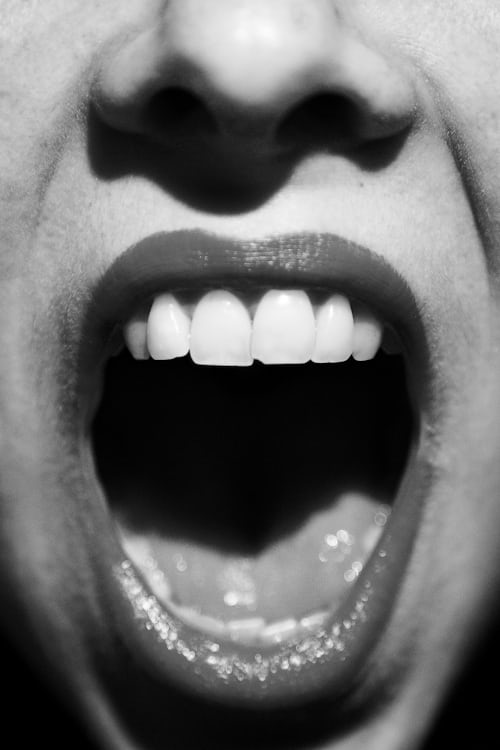
Photo: Unsplash
3-Line Summary
- Habitual mouth breathing drops the tongue out of its resting spot, which can change your jaw and face shape.
- It’s linked to a weaker jawline and a longer-looking face.
- Keeping your mouth closed and breathing through your nose protects both your looks and your health.
Why Mouth Breathing Is a Problem
When you breathe normally, your lips stay closed and your tongue rests gently against the roof of your mouth. That tongue position supports the upper jaw from the inside and helps the face develop its natural shape.
But when congestion, allergies, or simple habit keep your mouth open for hours, the tongue drops and that upward support disappears. In growing years this can make the face longer and push the jaw back; even in adults it can emphasize a double chin and a softer, less defined jawline.
Mouth breathing also dries out the mouth, raising the risk of bad breath, cavities, and gum disease — and it lowers sleep quality.
❌ Common Pattern — Unconscious Mouth Breathing
- Your mouth drifts open when focusing or looking at a screen
- You wake up with a bone-dry mouth
- You snore and your throat feels rough in the morning
⭕ Better Habit — Lips Closed, Breathe Through the Nose
- Consciously keep your lips closed with your tongue tip on the roof of your mouth.
- If congestion or allergies are the cause, see an ENT doctor first.
- If your mouth falls open in your sleep, talk to a professional about your sleep setup.
Key Takeaways
- Mouth breathing isn’t just a quirk — it directly affects face shape and health.
- Treat the cause if it’s congestion; correct the habit if it’s just a habit.
- Fixing it early does the most to prevent changes to your face shape.
Right now, as you read this — check whether your mouth is hanging open. 👃